National Wind Farm Open Day
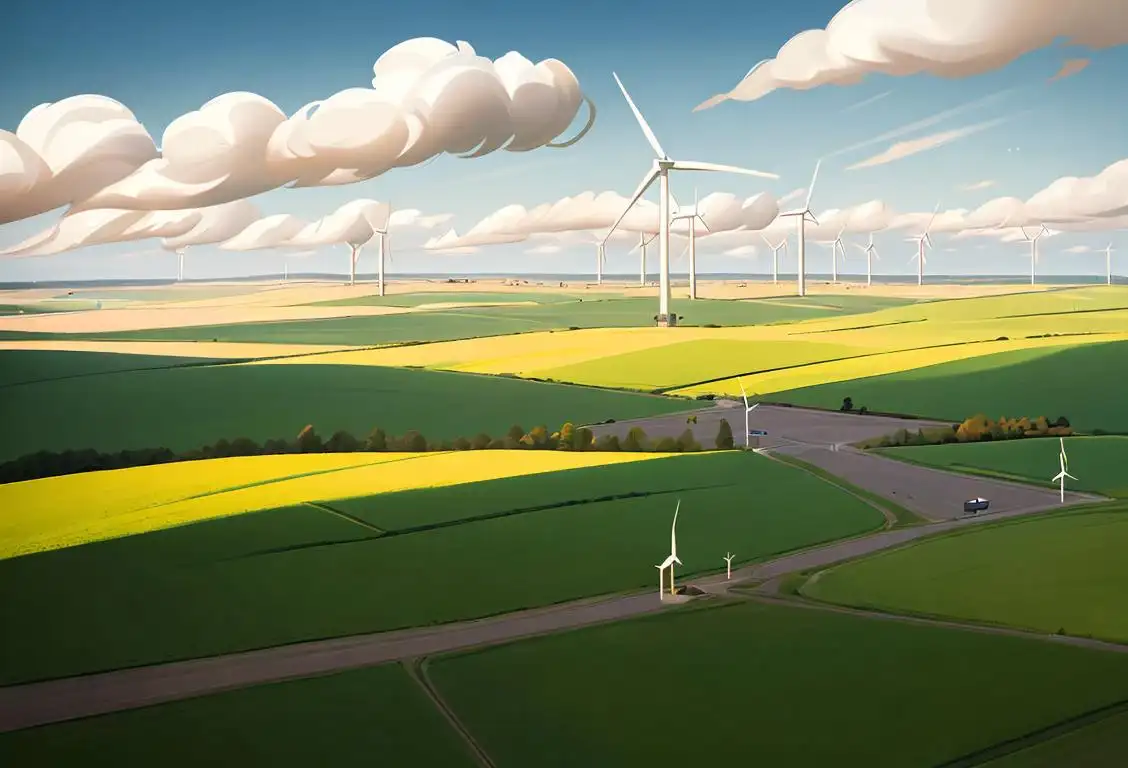
Welcome to the wondrous world of windmills and wind turbines! On National Wind Farm Open Day, we celebrate these majestic structures that harness the power of wind to generate clean and sustainable energy. Get ready to dive into a gusty adventure as we uncover the fascinating history and amazing benefits of wind farms.
When is Wind Farm Open Day?
It's national wind farm open day on the 10th October.
The Blustery Birth of Wind Farms
Did you know that wind power dates back centuries? Before the invention of electricity, windmills were used to grind grain and pump water. Clever, huh? But it wasn't until the late 19th century that the first wind turbine capable of generating electricity was developed by inventor Charles F. Brush. Since then, wind farms have popped up all over the world, harnessing the power of the wind to provide us with electricity.
The Dance of the Wind Turbines
Wind farms consist of multiple wind turbines strategically placed to capture the most wind. These towering turbines, with their sleek and aerodynamic design, gracefully spin as the wind passes through their blades, converting kinetic energy into electrical power. It's like a beautiful choreography in the sky, showcasing the wonders of renewable energy.
Green Energy Revolution
Wind farms play a crucial role in our transition towards a greener future. They provide a clean and renewable source of energy, reducing our reliance on fossil fuels and helping to combat climate change. Plus, they create jobs and stimulate local economies, giving communities a breath of fresh air, both literally and figuratively.
Open the Doors to Wind Farm Bliss
On National Wind Farm Open Day, wind farms across the country invite curious visitors to step inside their wind-powered wonderlands. You'll have the opportunity to go behind the scenes, learn how wind turbines work, and witness firsthand the magic of clean energy generation. So grab your wind-resistant hat and head on over to a wind farm near you!
History behind the term 'Wind Farm Open'
1981
First Wind Farm is Established
In 1981, the first wind farm was established, marking the beginning of a new era in renewable energy. The Altamont Pass Wind Farm, located in California, featured a collection of small wind turbines with a combined capacity of 5 megawatts. This pioneering project paved the way for the development of larger and more efficient wind farms in the future.
1985
Wind Farms Gain Momentum
By 1985, wind farms started gaining momentum as countries around the world began recognizing the potential of harnessing wind energy. Denmark, known for its commitment to renewable energy, constructed one of the largest wind farms in the world, with 200 turbines in the Tjaereborg region. This marked a significant milestone in the expansion of wind farm projects globally.
1991
The Term 'Wind Farm' Emerges
In 1991, the term 'wind farm' was coined to describe the clusters of wind turbines generating electricity. The expression draws on the analogy of wind turbines occupying the land in a way similar to traditional agricultural farms. This terminology helped establish a clear identity for these renewable energy installations and fostered public awareness.
2000
Advancements in Wind Turbine Technology
The year 2000 saw significant advancements in wind turbine technology. The introduction of larger, more efficient turbines boosted the capacity and productivity of wind farms. These technological advancements improved the cost-effectiveness and reliability of wind energy generation and further contributed to the widespread adoption of wind farms around the world.
2015
Record-Breaking Wind Farms
In 2015, wind farms reached new heights as projects with record-breaking capacities were established. The London Array, located in the Thames Estuary, became the world's largest offshore wind farm, capable of generating 630 megawatts of electricity. This accomplishment demonstrated the continuous growth and potential of wind energy as a major source of renewable power.
Did you know?
Did you know that the world's largest wind turbine is taller than the Statue of Liberty? Standing at a towering height of 260 meters, it's a true giant among turbines!Tagged
awareness environment NSFWFirst identified
5th October 2015Most mentioned on
10th October 2015Total mentions
29Other days
Wind Farm Open Day

Penguin Day
Public Lands Day
Tree Day

Energy Conservation Day

Arbor Day
Tree Planting Day

Lobster Day

Bike To Work Day

Earth Day