National Playing Card Collection Day
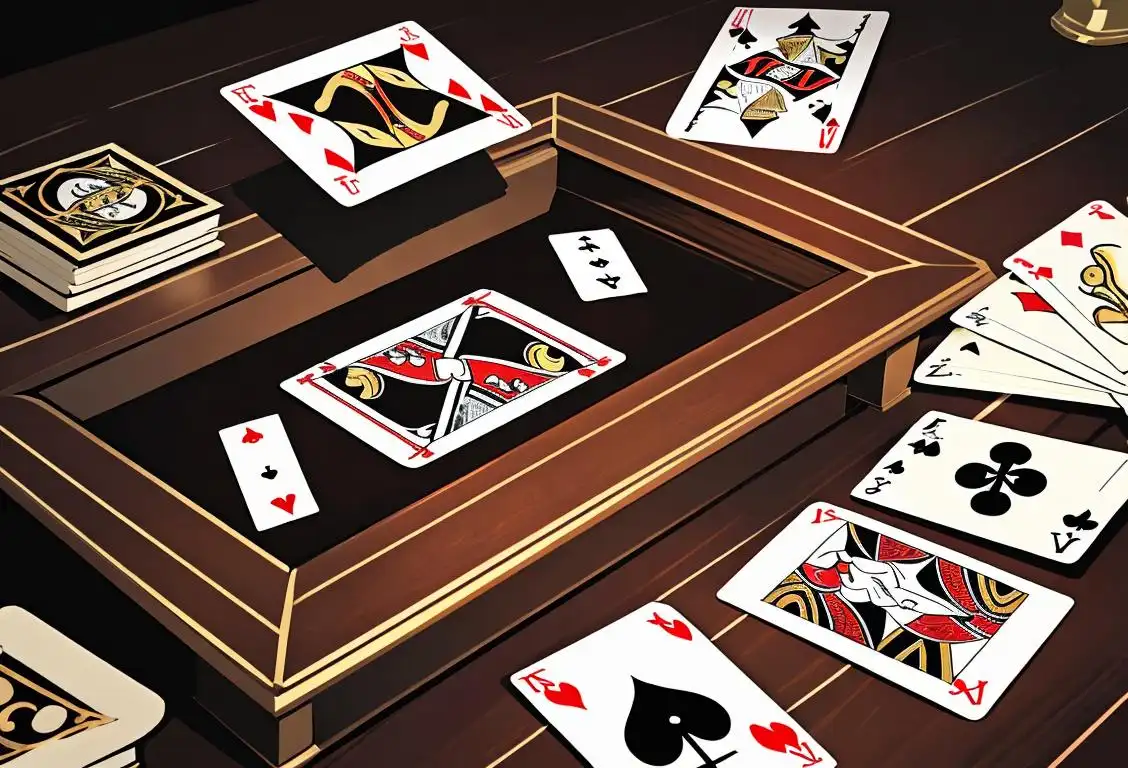
Welcome to the wild, wacky world of playing cards! Today is National Playing Card Collection Day, a day to celebrate the fascinating hobby of collecting playing cards. Whether you're a professional magician, a poker aficionado, or just someone who loves the art and design of these little rectangles, this day is all about appreciating the beauty and history of playing cards.
When is Playing Card Collection Day?
It's national playing card collection day on the 30th April.
The Wonderful World of Playing Cards
If you think playing cards are just for games, think again! Collecting playing cards has become a popular hobby for people all around the world. The history of playing cards dates back to ancient times, with the first evidence of card games appearing in China as early as the 9th century. Over the centuries, playing cards evolved and traveled to different regions, each leaving its unique mark on the design and symbols.
Did you know that the four suits we are familiar with today—hearts, diamonds, clubs, and spades—were inspired by the four classes of medieval European society? Hearts symbolize the clergy, diamonds represent merchants, clubs represent peasants, and spades represent the nobility.
Collecting playing cards can be a fun way to explore different cultures, as cards from various countries often feature distinctive designs and themes. From intricate illustrations to playful cartoons, there's a deck of cards out there for every taste and interest.
Creating Your Own Card Collection
Starting a playing card collection is as easy as shuffling a deck. You can begin by acquiring a few unique decks that catch your eye, either from online marketplaces or specialty stores. Look out for limited edition decks, decks inspired by movies or TV shows, or decks with unusual designs.
Once you have a few decks, you can organize and display them using various methods. Some collectors prefer to keep their cards in protective sleeves and store them in binders, while others showcase their collection in custom-made display cases or shadow boxes. There's no right or wrong way to display your cards; it's all about finding a method that sparks joy and shows off your collection in its best light!
Fun Fact: The World's Largest Playing Card Collection
Did you know that the world's largest playing card collection is held by Liu Fuli, a man from Beijing, China? He has amassed an incredible collection of over 11,000 unique decks of playing cards, ranging from antique sets to modern designs. Talk about a truly royal flush of a collection!
History behind the term 'Playing Card Collection'
1440
The Origin of Playing Cards
During the mid-15th century, playing cards were believed to have originated in China. They were initially handcrafted on materials such as paper or thin cardboard. The earliest known types of cards were designed for games, and they included suits that are similar to the modern-day hearts, spades, clubs, and diamonds.
14th to 17th century
Spread of Playing Cards in Europe
Playing cards made their way to Europe through various trading routes. The designs and themes of the cards evolved significantly during this period. In Italy, tarot cards gained popularity and were used for divination and fortune-telling purposes. The concept of playing card collections started to emerge as people valued unique and beautifully illustrated decks.
18th century
The Advent of Personalized Playing Cards
In the 18th century, playing card manufacturers began to personalize their decks. This led to the production of customized cards for aristocrats and wealthy individuals. Collecting playing cards became a fashionable hobby among the affluent, who sought out exclusive designs and commissioned artists to create unique decks for their collections.
1840s
Industrial Revolution and Mass Production
With the advent of industrialization, playing cards transitioned from being handmade to mass-produced. The Industrial Revolution's technological advancements allowed for the efficient production of playing cards, making them more accessible to the general population. This accessibility contributed to the growth of playing card collections as a hobby among people from diverse backgrounds.
20th century
Playing Card Collecting as a Popular Hobby
During the 20th century, playing card collecting gained even more popularity. The introduction of themed decks, such as those featuring famous artworks, characters from literature, and films, added novelty and excitement to the hobby. Playing card collectors formed societies, organized conventions, and traded cards to expand their collections and knowledge about the history of playing cards.
Did you know?
Did you know that the four suits of playing cards—hearts, diamonds, clubs, and spades—represent the four classes of medieval European society?Tagged
fun history hobbyFirst identified
17th October 2016Most mentioned on
30th April 2018Total mentions
10Other days
Playing Card Collection Day
Maritime Day

Memorial Day

Video Game Day

Liberation Day

Teacher Appreciation Day

Vodka Day

Former Prisoner Of War Recognition Day
Flag Day

Convention Day