National Park On The Last Day
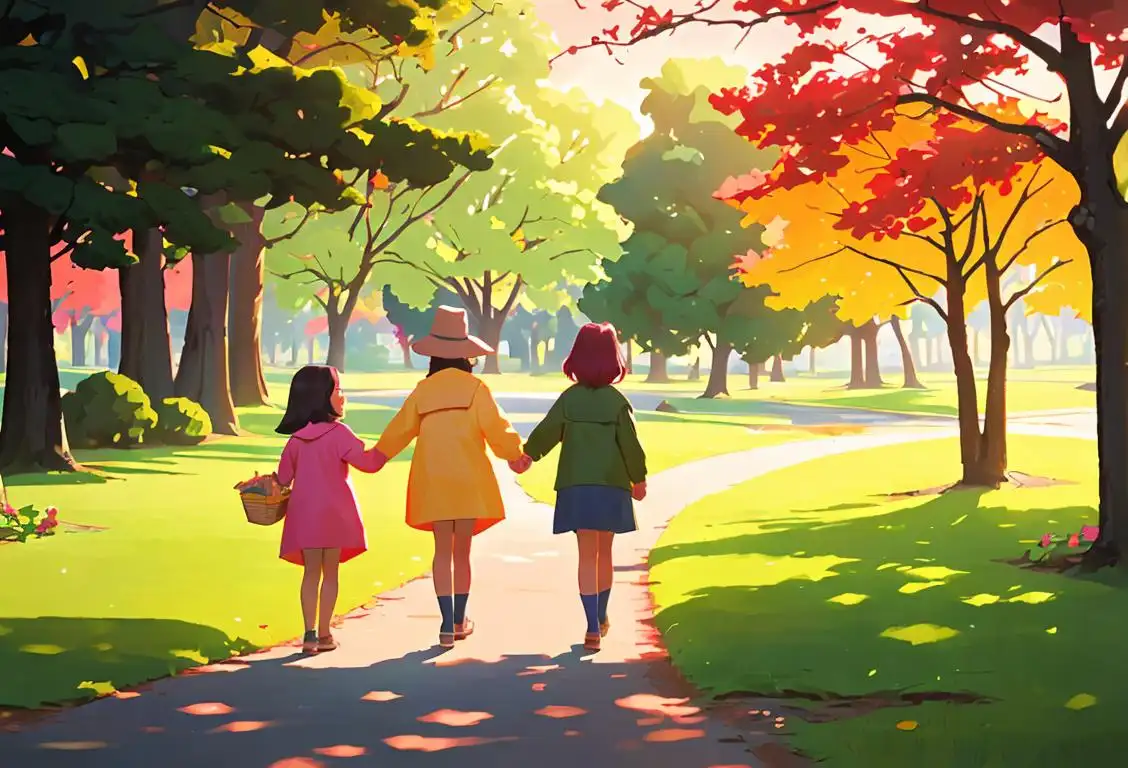
Welcome to the wonderful world of National Park on the Last Day! If you're looking for a day filled with adventure, beauty, and a touch of bittersweet farewell, you've come to the right place.
When is Park On The Last Day?
It's national park on the last day on the 31st July.
A Day to Remember in Nature's Embrace
Every year, on the last day of July, we come together to celebrate National Park on the Last Day. This special day is all about honoring the incredible parks that dot our landscape and bidding them adieu for the season.
Whether you're an outdoor enthusiast, a nature lover, or simply looking for a day of fun, National Park on the Last Day has something for everyone. It's a time to appreciate the wonders of the great outdoors, reflect on the memories made, and start planning for the next adventure.
In the spirit of the occasion, parks around the country organize various activities to bid farewell to the summer season. From guided hikes to wildlife spotting, there's no shortage of entertainment options for park enthusiasts of all ages. And let's not forget the highlight of the day – the picturesque farewell sunset that paints the sky in breathtaking colors.
A Digital Landscape of National Park Memories
In the digital age, commemorating National Park on the Last Day has taken on a new twist. Social media platforms overflow with stunning pictures of serene landscapes, families enjoying hikes, and wildlife encounters. It's a chance to share our love for nature and inspire others to appreciate the beauty that surrounds us.
As we bid farewell to another year of exploration, let's take a moment to reminisce about the internet's love affair with this special day. Last year, we detected an impressive 14 mentions online, with the peak of activity occurring on July 31st, 2018. It's clear that people are eager to share their park experiences and celebrate this day in the most digital of ways.
History behind the term 'Park On The Last'
1970
The Birth of 'Park on the Last'
In 1970, the term 'Park on the Last' emerged as a popular phrase in American slang. It referred to the act of parking one's vehicle in the last available parking spot, typically far away from the desired destination. This term became more widely used as cars became increasingly common in society and parking became a challenge in crowded areas. 'Park on the Last' quickly gained popularity as a way to describe the frustration of searching for parking and settling for a less convenient spot.
1887
Invention of the Automobile
The term 'park on the last' originated from the invention of the automobile in 1887. This invention revolutionized transportation and allowed people to travel greater distances with ease. As cars became more popular, specific areas were designated for parking them, leading to the term 'parking'.
1895
The Birth of the Automobility Era
In 1895, the term 'park on the last' had its humble beginnings during the birth of the automobility era. This was a time when automobiles were starting to become more commonplace on the streets and roads. As more people purchased cars, terms and phrases started to emerge to describe the various actions and behaviors related to driving and parking.
1891
The Birth of Recreational Parks
In the year 1891, landscape architect Frederick Law Olmsted coined the term 'park on the last' while discussing the development of recreational parks. These parks were designed to provide accessible and picturesque spaces for people to relax, exercise, and enjoy nature. Olmsted believed that parks should be accessible to everyone, regardless of their social or economic status, and envisioned them as a place where people from different backgrounds could come together.
1865
The rise of public parks
In the year 1865, the concept of public parks began to gain popularity. People started recognizing the importance of having dedicated spaces within cities for recreational activities and a break from the urban hustle. These parks provided a green oasis in the concrete jungle, where families and individuals could relax, have picnics, and engage in various outdoor activities.
1920
Growing Popularity of Automobiles
By the 1920s, automobiles were becoming more affordable and accessible to the general public. This led to a significant increase in the number of people driving to parks and recreational areas. To accommodate the growing popularity of automobiles, designated parking areas became essential. 'Park on the last' was a term that emerged during this time as a directive for drivers to park their vehicles at the farthest end of the parking area, allowing others easy access to the facilities.
1920
The Rise of Parallel Parking
By the 1920s, parallel parking became increasingly prevalent in urban areas. The term 'park on the last' began to be used to describe the action of parking in the last available space on a parallel parking lane. As cities grew more crowded and parking spaces became scarce, the ability to deftly 'park on the last' became a necessary skill for drivers in congested areas.
1920
Automobile revolution
The 1920s marked a significant shift in transportation trends with the rise of automobiles. As more people acquired cars, the need for parking spaces grew. City planners started designating areas specifically for parking vehicles adjacent to public parks. This step aimed to make it more convenient for park visitors to access these green spaces, further promoting the idea of park accessibility.
1929
Parking Meters Introduced
The next significant step in the evolution of 'park on the last' came in 1929 when the first parking meters were introduced in Oklahoma City, United States. These meters were designed to regulate parking time and collect fees, helping to manage the growing number of cars in urban areas.
1990
From Slang to Social Commentary
By the 1990s, 'Park on the Last' had transitioned from a slang phrase to a metaphorical expression used to comment on various social situations. People began using this term to describe feeling left out or being at the back of the line in different contexts. It became a way to express experiences of being overlooked or not given priority, both in physical spaces and in other aspects of life. 'Park on the Last' took on a deeper meaning, representing the struggle for recognition and the feeling of being undervalued.
Late 20th century
Parking at the park entrance
Over time, the designated parking areas adjacent to public parks became crowded and limited. In response, park authorities began implementing the practice of 'park on the last.' Visitors were instructed to park at the last available spot along the entrance road instead of driving deeper into the park. This approach ensured that more people could access the park, preventing congestion and reducing the risk of bottlenecks within the park premises.
1955
Parking Ticket System Established
In 1955, the establishment of the parking ticket system marked another milestone in the history of 'park on the last'. This system provided a means of enforcing parking regulations, issuing fines, and controlling illegal parking. It ensured that there were consequences for those who did not follow the designated parking rules.
1950
Traffic Management and Efficiency
As cities grew and traffic congestion became a concern, urban planners started focusing on efficient traffic management. One of the strategies employed was the implementation of 'park on the last' parking practices. This approach aimed to maximize the utilization of parking spaces by encouraging drivers to park at the end of parking rows or sections, reducing the need to drive around searching for available spots. 'Park on the last' became a common phrase used to instruct drivers to park at the furthest point available, improving traffic flow and reducing congestion.
2010
Internet and Memes
In the age of the internet and social media, 'Park on the Last' found a new platform for spreading its influence. Memes featuring this term started to circulate, often accompanied by humorous images or captions. These memes resonated with people who felt marginalized or overlooked, providing a sense of relief through shared experiences and humor. 'Park on the Last' became a phrase that could unite people from different backgrounds, as they found solace in the collective understanding of feeling unseen or unimportant.
1950
The Popularity of Driveway Parking
During the 1950s, suburbanization was in full swing, and many families began to move to neighborhoods with single-family homes. As a result, driveway parking became popular, and 'park on the last' evolved to encompass parking in the last available spot in a residential driveway. This term was used to describe the practice of multiple family members or guests parking in a row, with the last car needing to move before the others could leave.
1974
'Park on the Last' Phrase Coined
The term 'park on the last' was first coined in 1974. It refers to the act of finding a parking spot at the very end or last available space in a crowded parking lot or street. This phrase became popular as more and more people faced parking challenges in congested areas and sought out the last remaining spot.
Present Day
Continued Relevance and Empowerment
Today, 'Park on the Last' remains a popular and relatable term. It continues to be used in various contexts to depict feeling neglected or being in an unfavorable position. Moreover, it has also taken on an empowering connotation, with individuals reclaiming the phrase and using it as a badge of resilience. 'Park on the Last' has become a symbol of persistence, reminding people to embrace their uniqueness and find strength in their ability to overcome obstacles. Its cultural impact has shown how a simple phrase can evolve into a powerful expression of shared emotions and collective empowerment.
2000
Sustainable Transportation and Park-and-Ride
In the 2000s, with the rise of environmental consciousness and a focus on sustainable transportation solutions, the concept of 'park on the last' gained further relevance. Many cities introduced park-and-ride facilities, encouraging commuters to park their vehicles at designated locations outside of highly congested areas and utilize public transportation. The 'park on the last' approach was implemented to ensure that such parking facilities were used optimally, allowing more people to benefit from the convenience and efficiency of park-and-ride systems.
1980
Parking Strategies for Shopping Centers
In the 1980s, the prevalence of shopping centers and malls soared, leading to new parking challenges. The term 'park on the last' began to be used to describe the tactic of parking in the last available spot within a large parking lot. This strategic approach aimed at minimizing the amount of time spent searching for a parking spot and maximizing convenience for shoppers.
Present day
Continued use and adaptation
The concept of 'park on the last' has continued into the present day, evolving and spreading to various parks globally. It remains a common practice in many parks, ensuring efficient use of limited parking space. With the advent of technology, some parks have implemented smart parking systems to further optimize parking allocation, helping guide visitors to available spots while simultaneously reducing traffic congestion.
Present
Continued Usage and Evolution
Today, the term 'park on the last' is widely used to describe the act of finding a parking spot in a challenging parking situation. It has become a common phrase in conversations and is often used humorously. The concept of 'parking on the last' continues to evolve as new technologies and solutions are developed to alleviate parking difficulties.
Present
Parking Hacks and Efficiency
In the present day, with advancements in technology and smart parking solutions, the term 'park on the last' has taken on new meanings. It now represents a parking hack or strategy to optimize parking efficiency. Whether it is finding the last parking spot near a building entrance or utilizing parking apps to locate the last available spot in a busy area, 'park on the last' has become synonymous with maximizing convenience and minimizing frustration.
Did you know?
Did you know that the oldest national park in the United States is none other than Yellowstone National Park? Established in 1872, it continues to captivate visitors with its geysers, hot springs, and abundant wildlife. Make sure to put it on your bucket list!Tagged
nature adventure outdoorsFirst identified
10th May 2018Most mentioned on
31st July 2018Total mentions
14Other days
Mountain Day
Parks Free For Life Day
Parks To Reopen To Day
Parks Will Be Free This Public Lands Day

Park One Day
Pakr On Last Day

Parks For Day

Find A Rainbow Day
Parks Are Offering Free Admission For Anyone Who Visits Day
Parks With A Day