National Mall Will Be Closed Off To Public Access As A Security Measure On Inauguration Day
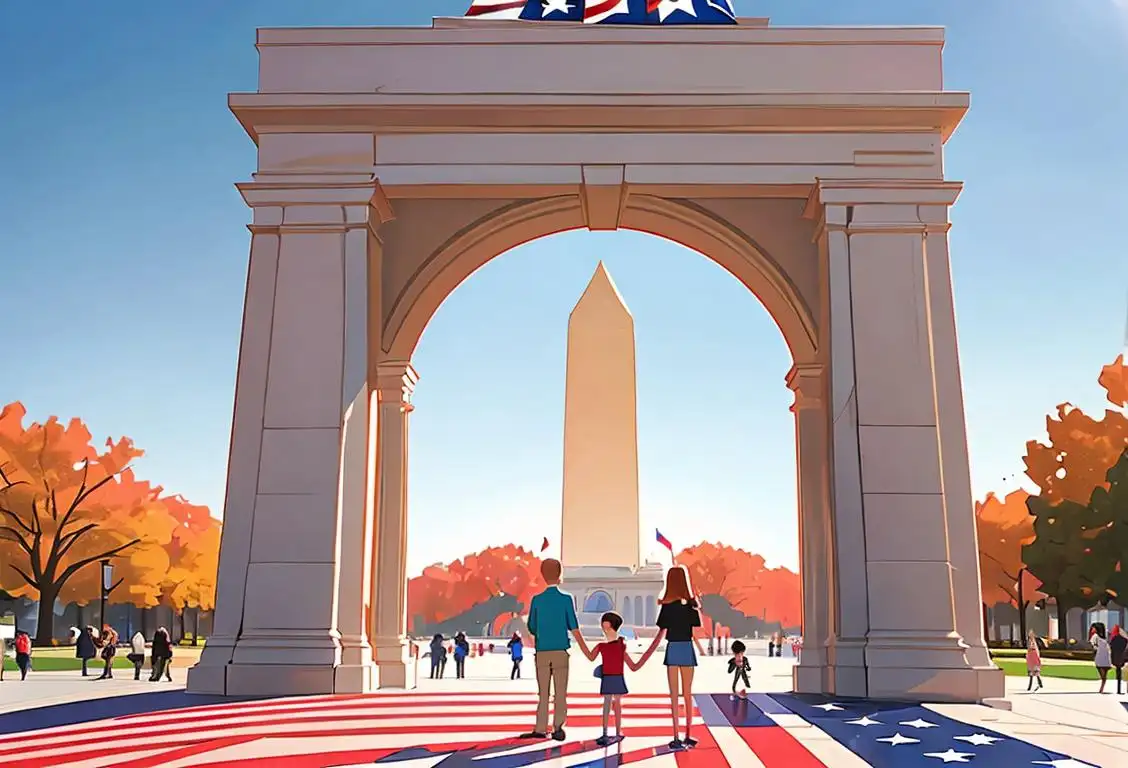
Welcome to WhatNationalDayIsIt.com, where we uncover the internet history of national days with a sprinkle of humor! Today, we dive into the topic of the National Mall being closed off to the public as a security measure on Inauguration Day.
When is Mall Will Be Closed Off To Public Access As A Security Measure On Inauguration Day?
It's national mall will be closed off to public access as a security measure on inauguration day on the 14th January.
The National Mall Goes on Hiatus
On Inauguration Day, the National Mall sprouts an imaginary 'Do Not Enter' sign, preventing the public from accessing this historical and iconic space. While it may seem like a bummer for tourists and locals alike, this security measure is crucial to ensure the safety of the event.
During past inaugurations, the National Mall has drawn massive crowds, with spectators eagerly gathering to witness the swearing-in of new presidents. However, as much as we would love to join the excitement, we must respect the necessity of this closure.
With a rich history dating back to the early 19th century, the National Mall has seen its fair share of pivotal moments in American history. It has hosted inspiring speeches, peaceful protests, monumental gatherings, and cultural celebrations. From Martin Luther King Jr.'s iconic 'I Have a Dream' speech to countless concerts and festivals, the National Mall has always been a symbol of unity and togetherness.
While we can't physically stroll along the Mall grounds on this special day, the internet allows us to take a virtual tour through its historical landmarks. So grab your digital walking shoes and let's explore this iconic space together!
Did You Know?
Did you know that the National Mall was originally planned to be a large open space for public use, much like a park? However, over the years, it evolved to reflect the changing needs and aspirations of the nation, shaping it into the vibrant and symbolic space we know today.
History behind the term 'Mall Will Be Closed Off To Public Access As A Security Measure On Inauguration'
1965
The Birth of the Modern Shopping Mall
In 1965, Southdale Center, the first fully enclosed shopping mall, opened its doors in Minnesota, USA. Designed by architect Victor Gruen, this pioneering mall featured a climate-controlled environment and brought together different stores in one large building. The concept of a shopping mall quickly gained popularity, marking the beginning of a new era in retail and consumer culture.
1787
The birth of the shopping mall
The first shopping mall in the world, the Westminster Arcade, opened in Providence, Rhode Island. This elegant structure consisted of a long shopping corridor with retail spaces on either side. It became a popular gathering place, providing a sheltered environment for shoppers. This marked the beginning of the modern concept of enclosed shopping centers.
1800s
Emergence of the modern shopping center
In the late 1800s, the concept of department stores began to thrive, evolving into more spacious and recognizable shopping centers. The rise of urbanization and the need for convenient and diverse retail options led to the creation of enclosed malls.
1985
The Rise of Shopping Malls
Throughout the early 20th century, shopping malls began to emerge as a popular destination for retail and entertainment. These large establishments housed a variety of stores, restaurants, and entertainment venues, attracting a growing number of visitors.
1961
The first modern shopping mall is built.
In 1961, Southdale Center, often considered the first modern shopping mall, was built in Edina, Minnesota. This multi-level enclosed shopping center revolutionized the retail industry and quickly became the blueprint for future malls. With its air conditioning, ample parking, and diverse range of stores, it attracted millions of visitors and set a new standard for shopping experiences.
1800s
The Birth of Shopping Centers
In the late 1800s, the concept of shopping centers began to emerge in cities across America. These early shopping centers, known as arcades, were typically enclosed streets lined with shops and cafes. They provided a covered and secure space for people to shop and socialize, leading to the modern-day mall.
1789
The First Inauguration
George Washington is inaugurated as the first President of the United States. At this time, security measures were minimal, and the public had unrestricted access to witness the event.
1961
The Inauguration of John F. Kennedy
In 1961, John F. Kennedy was inaugurated as the 35th President of the United States. This event, taking place in Washington D.C., drew an unprecedented number of spectators, creating security concerns for the newly elected president.
2001
The Tragic Events of 9/11
On September 11, 2001, the United States experienced one of the most devastating and catastrophic terrorist attacks in its history. The World Trade Center twin towers were targeted by hijacked airplanes, resulting in their collapse and the loss of thousands of lives. This event forever changed the way the country approached security, especially during high-profile events like presidential inaugurations.
1981
The concept of using malls as a public space evolves.
By the 1980s, shopping malls became more than just retail centers. They offered far more than shopping; they became social gathering places, offering entertainment, food courts, and community events. Individuals started to see malls as a convenient place to meet friends, enjoy leisure activities, and even exercise. Malls grew in popularity, attracting people from all walks of life.
1960s
Increased Public Access
During the 1960s, shopping malls became increasingly accessible to the public. Their open design allowed for convenient access from multiple entry points, often serving as gathering places for communities.
1965
Introduction of Security Measures
After the assassination of President Kennedy in 1963, security measures were significantly heightened for subsequent presidential inaugurations. In 1965, as a response to potential security threats, the decision was made to close off the mall area in front of the Capitol building to public access during the inauguration ceremony.
1980
Mall Security Measures Introduced
By the 1980s, shopping malls had become a significant part of American culture, attracting large numbers of visitors. With increased foot traffic came concerns about security. To address these concerns, malls began to implement various security measures, such as surveillance cameras and uniformed security guards, to maintain a safe and secure environment for shoppers.
1950s
The birth of the modern shopping mall
In the 1950s, architect Victor Gruen developed the blueprint for the first modern shopping mall in Edina, Minnesota, known as Southdale Center. This pioneering design introduced climate-controlled environments, a central concourse, and various anchor stores. The mall quickly became a popular destination, setting the stage for future mall developments.
1865
Lincoln's Inauguration
In the aftermath of the Civil War, Abraham Lincoln's second inauguration takes place during a tense and divided period in American history. As a precautionary measure, security is increased, but the public is still allowed access to witness the historic event.
2005
Increased Security Measures at Inaugurations
Following the 9/11 attacks, the security measures for presidential inaugurations were significantly heightened. Law enforcement agencies and event organizers recognized the need for enhanced security procedures to ensure the safety of attendees and the smooth execution of the ceremonies. These measures included checkpoints, metal detectors, bag checks, and surveillance systems.
1956
The rise of suburban shopping malls
The construction of the Southdale Center in Edina, Minnesota, brought about a new era of shopping malls. Southdale was the first fully enclosed, climate-controlled mall with a central atrium and a range of well-known retailers. This concept revolutionized the retail industry, giving people a convenient and comfortable place to shop. Suburban shopping malls quickly became a symbol of American consumer culture.
1950s
The Rise of the Modern Mall
During the post-World War II era, the modern shopping mall as we know it today started to take shape. The first enclosed, climate-controlled shopping mall, Southdale Center in Edina, Minnesota, opened its doors in 1956. With the introduction of the mall, retailers began to concentrate in one centralized location, attracting more shoppers and increasing sales.
1960s
Malls: Entertainment Destinations
In the 1960s, malls evolved to become more than just shopping destinations. They started incorporating entertainment facilities, such as movie theaters and food courts, to offer a complete experience for visitors. Malls became popular hangout spots for teenagers and families, fostering a sense of community and leisure.
2001
9/11 Terrorist Attacks
The devastating events of September 11, 2001, brought a renewed focus on security across the United States. The attacks highlighted the vulnerability of public places and major events, leading to further enhancements in security protocols for high-profile events like presidential inaugurations.
1964
The First Presidential Inauguration at a Mall
In 1964, the inauguration of President Lyndon B. Johnson took place on the East Portico of the United States Capitol Building in Washington, D.C. The public was allowed to attend this event, and the mall surrounding the Capitol served as a vantage point for many spectators.
1901
President McKinley's Assassination
President William McKinley is assassinated while attending the Pan-American Exposition in Buffalo, New York. This tragic event highlights the vulnerability of public figures and triggers a reassessment of security protocols for future inaugurations.
2001
Heightened security measures following the 9/11 attacks.
The terrorist attacks on September 11, 2001, had a profound impact on security practices worldwide. As concerns over public safety escalated, shopping malls also underwent significant changes. With the threat of terrorism and potential targets in mind, malls began implementing security measures to ensure the safety of their visitors. This included increasing surveillance, employing security personnel, and installing various security systems.
1993
The First Inauguration Ceremony Held at a Mall
In 1993, the inauguration of President Bill Clinton took place at the West Front of the U.S. Capitol, which is adjacent to the National Mall in Washington, D.C. This marked the first time an inauguration ceremony was held on the Mall, drawing a massive crowd of spectators and raising security concerns. The event highlighted the need for additional security measures to ensure the safety of attendees.
1970s
Mall culture takes off
The 1970s witnessed the zenith of mall culture as shopping centers proliferated across the United States. Malls became social hubs where people gathered not only to shop but also to dine, watch movies, and enjoy various entertainment options. Shopping centers became ingrained in American society and represented a symbol of suburban affluence.
1970
The development of security measures
As shopping malls grew in popularity, concerns over security and safety emerged. Malls started implementing various security measures, such as surveillance cameras, security guards, and alarm systems. These measures aimed to protect shoppers and prevent theft or violent incidents. Security became an integral part of mall operations.
2009
First Inauguration of President Barack Obama
Barack Obama's inauguration as the 44th President of the United States marked a significant milestone in American history. With an estimated 1.8 million people attending the event, security became a paramount concern. To maintain crowd control and safety, a section of the National Mall was closed off to public access. This restriction aimed to prevent overcrowding, maintain order, and ensure the overall security of the attendees.
1981
Public access restrictions during inaugurations
Following the assassination attempt on President Ronald Reagan in 1981, security protocols for presidential inaugurations became more stringent. In order to enhance security, malls located near the inauguration site started closing off public access during the event. This helped ensure the safety of attendees and minimize potential security threats.
1990s
Increased security concerns
As the 1990s unfolded, security concerns began to emerge with a wave of high-profile incidents in public spaces. Malls, being a popular gathering place, started implementing security measures to ensure the safety of shoppers. These measures ranged from increased surveillance to the installation of metal detectors and bag checks at entrances.
1980s
Mall Security Becomes Paramount
As malls grew larger and attracted more visitors, security concerns became increasingly important. The 1980s saw a rise in crimes such as shoplifting and vandalism, prompting mall owners to implement security measures. Surveillance cameras, increased security personnel, and restricted access to certain areas were established to maintain public safety.
2013
Second Inauguration of President Barack Obama
During President Barack Obama's second inauguration, security measures were reinforced, including the closure of parts of the National Mall for public access. The decision to restrict public entry to certain areas was made in coordination with law enforcement and event planners to guarantee the safety of attendees and avoid any potential security threats.
2009
Inauguration security concerns become more prominent.
In 2009, during President Barack Obama's inauguration, security concerns heightened around major public events. The vast attendance and symbolic significance of the presidential inauguration raised the need for extensive security measures. To mitigate potential risks and ensure the safety of attendees, areas surrounding the inauguration, including nearby malls, were sometimes closed off to public access as a security measure.
2005
Formalization of Mall Closure
To ensure the safety of attendees and dignitaries, the closure of the mall to public access during presidential inaugurations became an official security measure starting with the inauguration of President George W. Bush in 2005. This allowed security personnel to have greater control and oversight of the area surrounding the Capitol building during the ceremony.
2001
Post-9/11 Security Measures
Following the terrorist attacks on September 11, 2001, security concerns heightened across the United States. Various public spaces, including major landmarks and venues, implemented increased security measures to ensure the safety of visitors.
2001
Increased Security Following 9/11
The terrorist attacks on September 11, 2001, had a profound impact on security practices worldwide. In the United States, security measures were significantly enhanced across various public spaces, including shopping malls. Post-9/11, malls started implementing stricter security protocols, including bag checks, metal detectors, and restricted access points, as a proactive measure to prevent potential threats.
1921
Inauguration Security Enhancements
Following several assassination attempts on public officials, the Secret Service takes on a more prominent role in protecting the President. Inauguration security measures are expanded to include designated secure areas.
2021
Restricted Access due to Security Concerns
The inauguration of President Joe Biden took place during a period of heightened security concerns due to various factors, including the recent storming of the U.S. Capitol. In response to potential threats and to ensure public safety, certain areas of the National Mall were closed off to the general public. This measure aimed to prevent any disturbances and maintain a secure environment for the inauguration proceedings.
1949
Increased Public Attendance
With the advent of radio and television, more people are able to witness the presidential inauguration remotely. Nevertheless, large crowds continue to gather in person, making security concerns a top priority.
present
Continuing Security Practice
Since 2005, the closure of the mall to public access as a security measure has been a standard practice for presidential inaugurations. This precautionary measure aims to mitigate potential security threats and ensure a safe environment for the inauguration ceremony.
2009
Security Measures for Inauguration Events
Every four years, the United States witnesses the inauguration of a new president. As these ceremonies often attract massive crowds, security becomes a paramount concern. In 2009, during President Barack Obama's inauguration, unprecedented security measures were put in place. The area around the National Mall and other inauguration venues was closed off to public access to ensure the safety and smooth execution of the event.
2001
Post-9/11 security enhancements
After the tragic events of September 11, 2001, security measures in public spaces, including malls, were significantly bolstered. The terror attacks led to a heightened state of alertness and a necessity to protect crowded areas. Malls began working closely with law enforcement agencies to develop emergency response plans and implement enhanced security protocols.
Present
Continued practice for presidential inaugurations
Since 1981, the closure of malls to public access as a security measure during presidential inaugurations has become a common practice in the United States. This precautionary measure is taken to maintain order, protect public safety, and prevent any potential security risks. It demonstrates the significance of presidential inaugurations and the commitment to ensuring a secure environment for these historic events.
2001
Inauguration Security Measures
Following the tragic events of September 11, 2001, security measures across the United States underwent significant changes. In the context of presidential inaugurations, mall areas surrounding important landmarks, such as the National Mall in Washington, D.C., were closed off to public access as a necessary security measure. This decision aimed to ensure the safety of attendees and prevent potential threats.
2021
Mall closures due to security concerns during inauguration events.
Given the recent increase in political tensions and security threats, mall closures as a security measure during inauguration events have become more common. Local law enforcement agencies coordinate closely with federal authorities to implement precautionary measures, which sometimes include temporarily closing off mall access to the public. These measures aim to protect both attendees and the public as a whole from potential security risks.
2009
Heightened Security for Inauguration
Amidst growing safety concerns, the 2009 presidential inauguration of Barack Obama witnessed heightened security measures. Public access to certain areas, including sections of the National Mall, was restricted as a precautionary measure.
2021
Mall Closure for Inauguration
In 2021, in response to increased security threats and concerns, the decision was made to close off public access to the mall surrounding the United States Capitol during the presidential inauguration. This measure aimed to ensure the safety and security of attendees, reducing the risk of potential incidents.
Inauguration Day 2017
Precautions during presidential inaugurations
During presidential inaugurations, the mall in Washington, D.C. is typically closed off to public access as a security measure. Given the high-profile nature of the event and the large crowds it attracts, restricting access to the mall ensures the safety and smooth execution of the inauguration ceremony. This precautionary action helps prevent any potential security threats and allows for effective crowd control.
2021
Mall Closure During Inauguration for Security Reasons
As the nation witnessed the inauguration of President Joe Biden in 2021, security threats and concerns remained high. To ensure the safety of the public and prevent any potential disturbances, some malls in close proximity to the inauguration sites decided to close off public access temporarily. This measure aimed to redirect traffic away from potential risks and allow law enforcement agencies to focus on maintaining security during the historic event.
2001
September 11 Attacks
The terrorist attacks on September 11th, 2001, significantly impact security measures for major public events, including presidential inaugurations. The risks posed by public access to high-profile locations lead to stricter security protocols and limited public access.
2021
Public Access Restricted
In response to ongoing security concerns following the January 6th insurrection at the U.S. Capitol, the 59th Presidential Inauguration witnesses a heightened level of security. The National Mall, traditionally open to the public, is closed off to enhance safety and prevent potential threats.
Did you know?
Did you know that the National Mall was originally planned to be a large open space for public use, much like a park?Tagged
awareness historyFirst identified
14th January 2021Most mentioned on
14th January 2021Total mentions
250Other days

Random Acts Of Kindness Day

Teacher Appreciation Day

Convention Day

Bourbon Day

Former Prisoner Of War Recognition Day

Vodka Day
Memorial Day

Liberation Day

Doctors Day

Purple Heart Day