National Letters Of Intent Signing Day
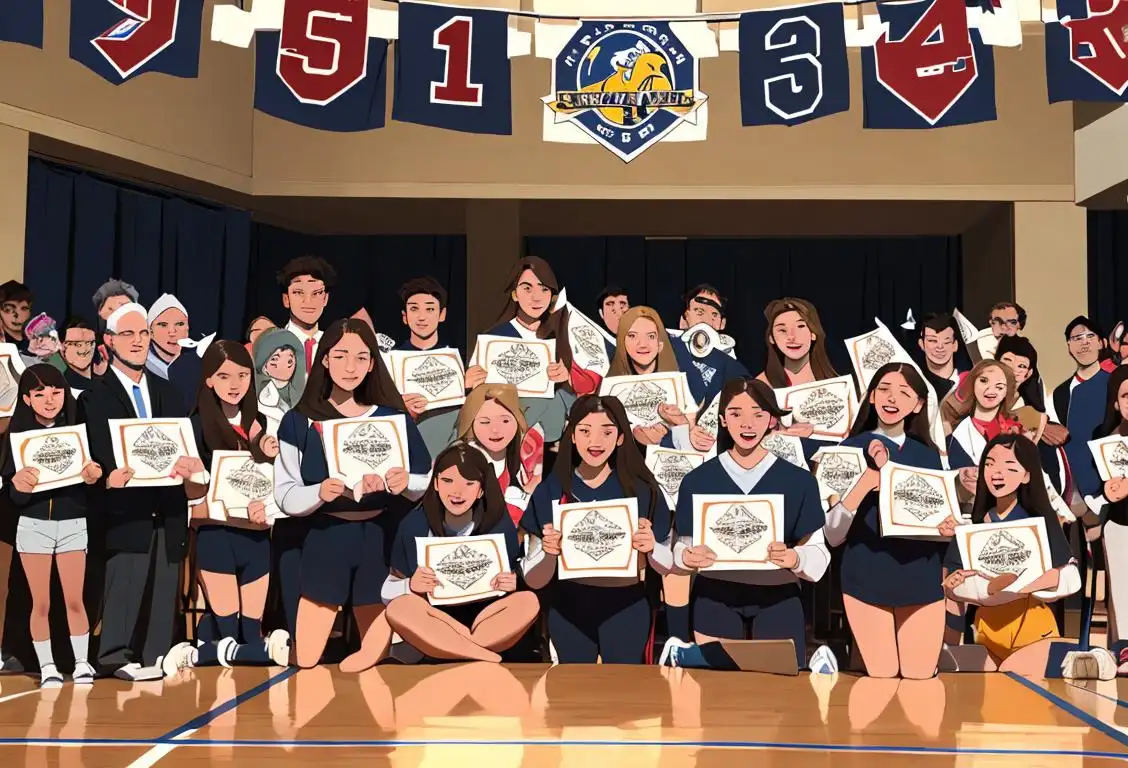
Welcome to the wacky world of National Letters of Intent Signing Day! Get ready to dive into the exciting realm where aspiring athletes declare their college commitments with zest and pizzazz. From the thrill of signing on the dotted line to the anticipation of future sports stardom, this day is a celebration of dreams coming true. So grab your pom-poms and let's cheer on these talented recruits as they embark on their next big adventure!
When is Letters Of Intent Signing Day?
It's national letters of intent signing day on the 11th November.
The Origins of National Letters of Intent Signing Day
Before we get into the nitty-gritty of this national day, let's take a quick trip down memory lane. National Letters of Intent Signing Day dates back to November 11, 2015 when it first gained online recognition. Since then, it has become an annual tradition for high school student-athletes across the country.
This special day serves as a pinnacle moment for student-athletes as they officially commit to a college or university to continue their athletic careers. It's an exciting time for both the athletes and their families, as it marks a major milestone in their journey.
A Day of Celebrations and Commitments
The atmosphere on National Letters of Intent Signing Day is electric. Schools organize signing ceremonies where the student-athletes gather with their loved ones to put pen to paper and make their commitments official. Coaches, teachers, and teammates join in the festivities, offering support and words of encouragement to the future sports stars.
Not limited to just the athletes, this day is a time for the entire community to come together and celebrate the achievements of these talented individuals. From local news coverage to social media buzz, National Letters of Intent Signing Day generates a wave of excitement and pride.
Did You Know?
Did you know that the most popular food at National Letters of Intent Signing Day celebrations is the mighty pizza? Athletes and their families often indulge in this cheesy delight as they bask in the joy of their accomplishments. It's the perfect fuel for celebration and a cheesy way to say, 'Congratulations!'
History behind the term 'Letters Of Intent Signing'
1957
Introduction of Letters of Intent
In 1957, the term 'Letters of Intent' was first introduced in the field of contract law. These letters were initially used to express a party's intention to enter into a formal agreement in the future. Although not legally binding, they acted as a preliminary step in the negotiation process, signaling a serious commitment between the parties involved.
1979
Increased Popularity in Commercial Transactions
By 1979, the use of Letters of Intent had gained popularity, especially in the realm of commercial transactions. These letters became a common practice among businesses to outline the basic terms and conditions of a potential agreement. They allowed parties to move forward with planning and due diligence while the final details were being worked out.
1980
Emergence of Binding Letters of Intent
In 1980, a significant development occurred with the emergence of binding Letters of Intent. Courts started to recognize that if the language of the letter demonstrated a clear intention to be legally binding, the letter could carry legal weight. This shift allowed parties to enforce the terms and conditions outlined in the letter, leading to more cautious drafting and consideration of these documents.
1990
Widespread Use in Mergers and Acquisitions
During the 1990s, Letters of Intent saw widespread use in the field of mergers and acquisitions. These letters became an essential component of negotiations between companies, outlining the preliminary terms of the proposed transaction. The inclusion of binding provisions, such as confidentiality clauses, helped protect sensitive business information during the due diligence process.
2000
Controversies and Legal Challenges
In the early 2000s, the use of Letters of Intent faced some controversies and legal challenges. Ambiguities in the language used, conflicting precedents, and debates surrounding the intent of the parties led to disputes over whether a particular letter was binding or non-binding. Courts had to carefully examine the individual circumstances and the language used in each case to determine the enforceability of these letters.
Present
Standard Practice and Variations
Today, Letters of Intent are a standard practice in various industries, ranging from real estate to business partnerships. While some prefer using more definitive agreements like Memorandum of Understanding (MoU), Non-Disclosure Agreements (NDAs), or Term Sheets, others rely on Letters of Intent as the initial step in the negotiation process. The content and level of detail within these letters can vary greatly, depending on the specific requirements and preferences of the parties involved.
Did you know?
Did you know that the most popular food at National Letters of Intent Signing Day celebrations is the mighty pizza?Tagged
fun loved ones sportsFirst identified
11th November 2015Most mentioned on
11th November 2015Total mentions
67Other days

Suicide Prevention Month Day

Happiness Day

Drink A Beer Day

Trivia Day

Cancer Survivors Day

Take A Hike Day

Memorial Day

Foundation Day

Bobblehead Day

Bowling Day