National Handloom Handloom Day

Hey there! Are you ready to dive into the world of handlooms? Well, get your weaving skills ready because we're about to celebrate National Handloom Day! This special day is all about appreciating the beauty and artistry of handloom textiles. So sit back, relax, and let's unravel the fascinating history of handlooms together!
When is Handloom Handloom Day?
It's national handloom handloom day on the 7th August.
The Origin of National Handloom Day
Every year on August 7th, we celebrate National Handloom Day to honor the handloom weavers of India and raise awareness about the importance of handloom textiles. This day holds a significant place in Indian history, as it commemorates the Swadeshi Movement launched in 1905, which aimed at boycotting British goods and promoting Indian products, including handlooms.
This movement not only played a pivotal role in India's struggle for independence but also brought attention to the rich heritage and craftsmanship associated with handlooms. As a result, the government of India designated August 7th as National Handloom Day in 2015 to promote handlooms and support the livelihood of handloom weavers.
The Magic of Handlooms
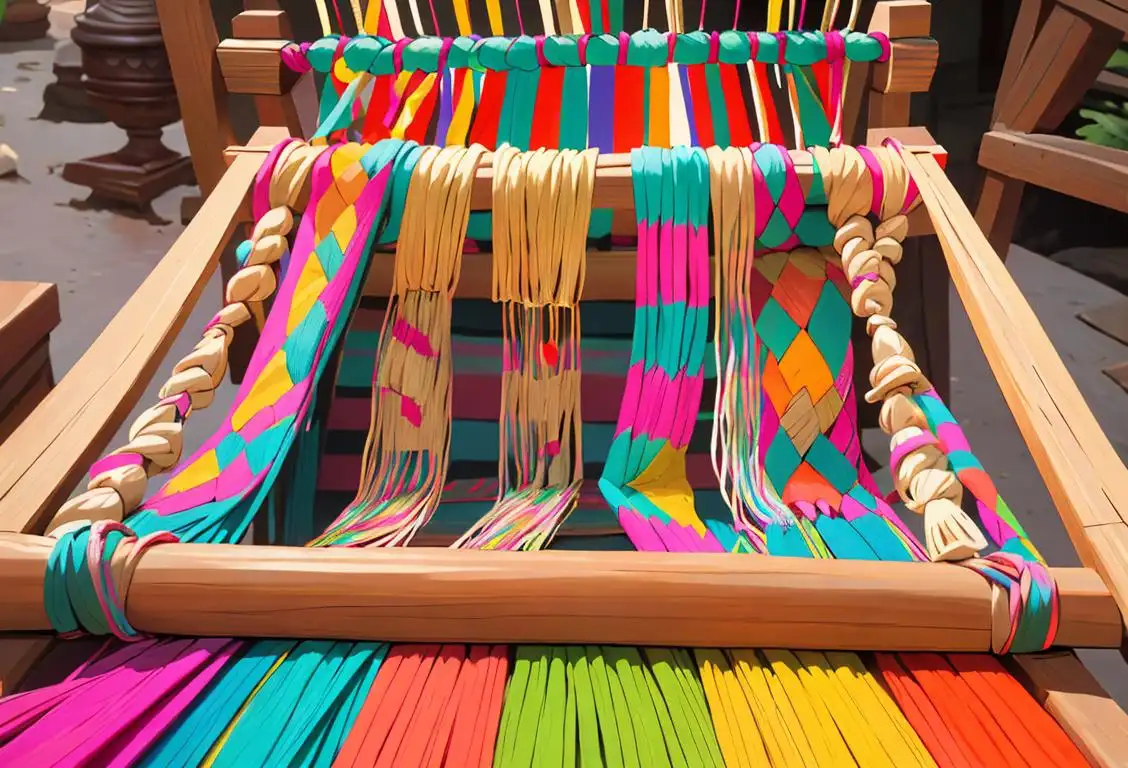
Handlooms are not just ordinary pieces of fabric; they are intricately woven works of art that reflect the skills and traditions of generations. These handcrafted textiles showcase a wide range of designs, patterns, and motifs, each unique to its region of origin.
From the vibrant and colorful Banarasi silk sarees to the elegant Patola sarees of Gujarat, handlooms have been an integral part of Indian culture for centuries. The painstaking craftsmanship and attention to detail that goes into creating handloom textiles make them truly exceptional.
Furthermore, handloom weaving is not only a means of livelihood for many weavers but also a way to preserve traditional techniques and cultural heritage. By supporting handloom products, we are not only celebrating their beauty but also contributing to the livelihood of talented artisans.
A Fun Handloom Fact
Did you know that handloom textiles are environmentally friendly? Unlike mass-produced fabrics, handlooms use minimal electricity and produce less carbon emissions. So by choosing handloom products, you're not only adding a touch of elegance to your wardrobe but also making an eco-conscious choice!
History behind the term 'Handloom Handloom'
1800
The Invention of the Handloom
In the year 1800, the handloom was invented. This revolutionary device allowed people to weave fabric by hand, using wooden or metal frames and a system of threads called warp and weft. The handloom quickly gained popularity as a means of textile production, and it became a central part of many communities and cultures around the world. The handloom allowed for intricate patterns and designs to be woven into fabric, adding a beautiful artistic element to textiles.
1850
Rise of the Handloom Industry
By the mid-19th century, the handloom industry had grown significantly. Skilled weavers and artisans began to form guilds and associations to protect their interests and ensure fair working conditions. Handloom textiles became highly sought after, both locally and internationally, due to their quality and craftsmanship. The handloom industry provided employment opportunities for many people, particularly women, who played a crucial role in weaving and creating intricate designs.
1900
Handlooms in the Modern Era
In the early 20th century, the handloom faced challenges as industrialization and technological advancements brought about the rise of mechanized textile production. Power looms and later, automated machines, became more prevalent in the textile industry. However, handloom weaving persisted, thanks to the dedication of skilled artisans and a growing appreciation for traditional craftsmanship. Handloom textiles gained recognition for their unique beauty and sustainability, leading to a resurgence in demand for handwoven fabrics.
2000
Handloom Revival and Global Appeal
In the 21st century, there has been a renewed interest in handloom textiles. People are increasingly drawn to the stories, cultural significance, and sustainable nature of handwoven fabrics. Many countries celebrate National Handloom Day to honor the handloom tradition and promote the welfare of handloom weavers. Handloom cooperatives, fair trade organizations, and artisanal communities have emerged to support and empower weavers, ensuring the preservation of their craft for future generations.
Did you know?
Fun fact: Handloom textiles are environmentally friendly, using minimal electricity and producing fewer carbon emissions!Tagged
awareness funFirst identified
8th August 2015Most mentioned on
7th August 2016Total mentions
131Other days

Nurses Day

Former Prisoner Of War Recognition Day

Press Day
Handloom Day

Heroes Day

Memorial Day

Dance Day

Bestfriends Day

Liberation Day

Love Your Pet Day