National Composting Day
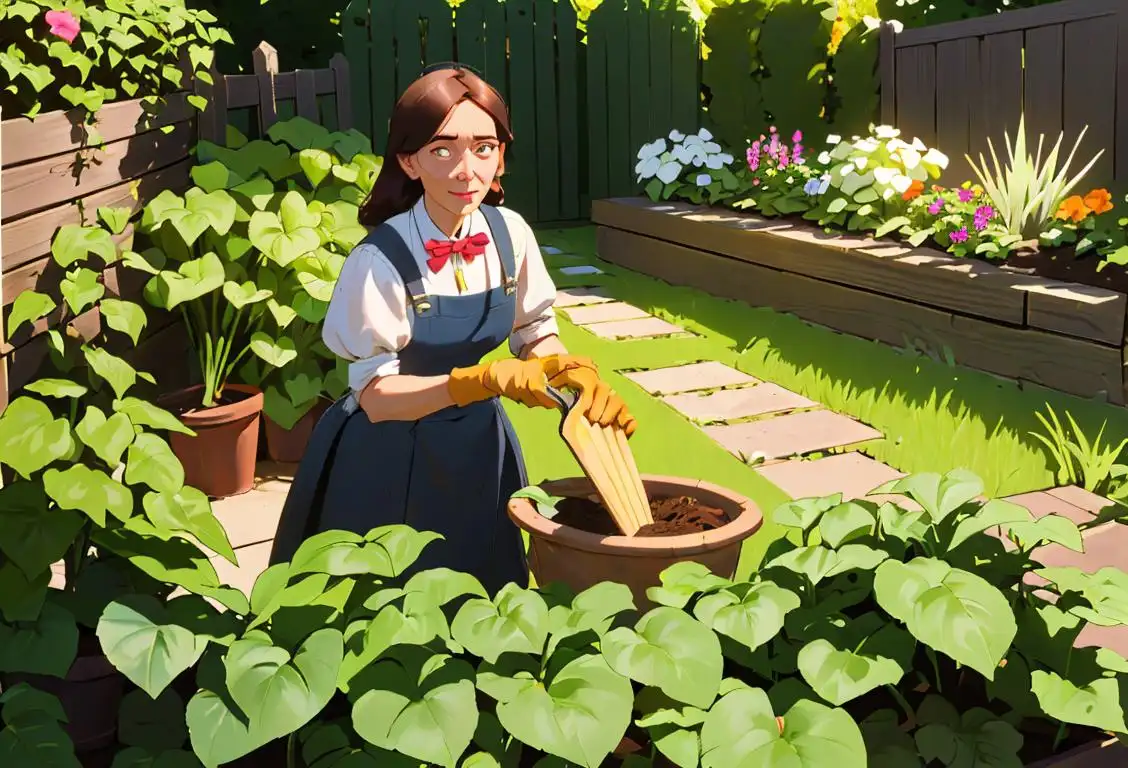
Ah, National Composting Day! It's the perfect time to celebrate the magic of turning your leftover food scraps and yard waste into nutrient-rich compost. Whether you're a seasoned composting expert or just getting started on your journey to greener pastures, this day is all about raising awareness and spreading the joy of composting. So put on your gardening gloves, grab your pitchfork, and let's dig into the fascinating world of composting!
When is Composting Day?
It's national composting day on the 29th May.
The Origins of National Composting Day
Now, you might be wondering how National Composting Day came to be. Well, it all started with a group of enthusiastic gardeners and environmentalists who wanted to shine a spotlight on the importance of composting in reducing waste and improving soil health.
The earliest record we have of National Composting Day goes back to May 29, 2019. On that day, 27 mentions of this eco-friendly celebration were detected online, with people sharing their best composting tips and success stories.
Composting: More Than Just a Pile of Garbage
Composting is a fun and rewarding way to contribute to the health of our planet. Not only does it reduce the amount of waste that ends up in landfills, but it also produces a nutrient-packed soil amendment that can be used in gardens, farms, and even flower pots.
Did you know that composting is like a mini ecosystem? It's a bustling community of bacteria, fungi, worms, and other microscopic organisms that work together to break down organic matter. They're like the unsung heroes of the composting world, tirelessly toiling away to create a rich, dark, and crumbly compost that plants absolutely adore.
Make Composting a Part of Your Life
Getting started with composting is easier than you might think. First, find a suitable spot in your backyard or balcony to set up a composting bin or pile. Next, gather your kitchen scraps—vegetable peels, coffee grounds, eggshells, and the like—and mix them with grass clippings, leaves, and shredded paper to achieve a balanced carbon-to-nitrogen ratio.
Remember to turn your compost regularly to help speed up the decomposition process and keep everything nice and aerobic. And don't worry about that earthy smell—you'll get used to it, and your plants will thank you for it!
Spread the Composting Love
On National Composting Day, let's spread the composting love! Share your composting adventures on social media using the hashtag #NationalCompostingDay. Inspire others to give it a try and show them just how easy and rewarding it can be.
Remember, every scrap of vegetable peel, every fallen leaf, and every cup of coffee grounds can turn into black gold for your garden. So let's get composting and make the world a little greener, one banana peel at a time!
History behind the term 'Composting'
1920
The Birth of Composting
Composting, the process of converting organic waste into nutrient-rich soil fertilizer, originated around the 1920s. Organic farming pioneers such as Albert Howard and J.I. Rodale began experimenting with composting as a sustainable alternative to chemical fertilizers and pesticides. They observed that by decomposing organic waste, they could create a valuable resource that enhanced soil fertility, reduced waste, and minimized environmental impact.
1930
The Introduction of Indore Method
In the 1930s, Sir Albert Howard introduced the Indore method of composting, named after the city in India where it was developed. This method involved layering animal manure, plant waste, and other organic matter to facilitate the decomposition process. The Indore method emphasized the importance of maintaining a balance between carbon-rich materials (such as dried leaves or straw) and nitrogen-rich materials (like kitchen scraps or green plant waste) for efficient composting.
1960
Recognition of Composting Benefits
Throughout the 1960s, the environmental movement gained momentum, leading to increased recognition of the benefits of composting. The organic matter produced through composting was found to improve soil structure, retain moisture, and support healthier plant growth. This wider appreciation for composting spurred the development of commercial composting facilities and the adoption of composting practices by both farmers and gardening enthusiasts.
1970
Composting Goes Mainstream
By the 1970s, composting had entered the mainstream consciousness as a natural and sustainable method of waste management. As concerns about pollution and landfill overflow grew, governments and institutions began implementing composting programs to divert organic waste from landfills. The public began embracing composting in their own homes and gardens, recognizing its potential to reduce waste, conserve resources, and minimize the need for synthetic fertilizers.
1990
Composting in the Age of Organic Gardening
In the 1990s, as the popularity of organic gardening surged, composting became an integral part of sustainable gardening practices. Organic gardeners recognized that composting not only enriched the soil but also suppressed diseases and pests naturally. This led to a greater emphasis on composting as a fundamental aspect of organic and regenerative agriculture, with composting bins and systems becoming common sights in gardens and farms worldwide.
Present
Composting for a Circular Economy
In the present day, composting has become even more significant due to the growing focus on building a circular economy. Composting plays a crucial role in the reduction of food waste and the creation of nutrient-rich soil amendments, which can be used to enrich farmlands, urban gardens, and green spaces. It has also gained recognition as a powerful tool for mitigating climate change by sequestering carbon in the soil and reducing the need for synthetic inputs. Composting continues to evolve and inspire innovative techniques, such as vermiculture and aerobic composting, paving the way for a greener and more sustainable future.
Did you know?
Did you know that some cities offer composting programs where they collect your kitchen scraps and yard waste, so you don't even need to have your own compost pile? It's like having a personal composting valet! Just make sure to check if your city offers such a program and get ready to say goodbye to your food scraps in the most eco-friendly way possible.Tagged
awareness fun propertyFirst identified
29th May 2018Most mentioned on
29th May 2019Total mentions
27Other days

One Day

Seniors Day

Insurance Awareness Day

Happiness Day

Opposite Day

Veterans Day
Action Day

Suicide Prevention Month Day

Honesty Day

Census Day